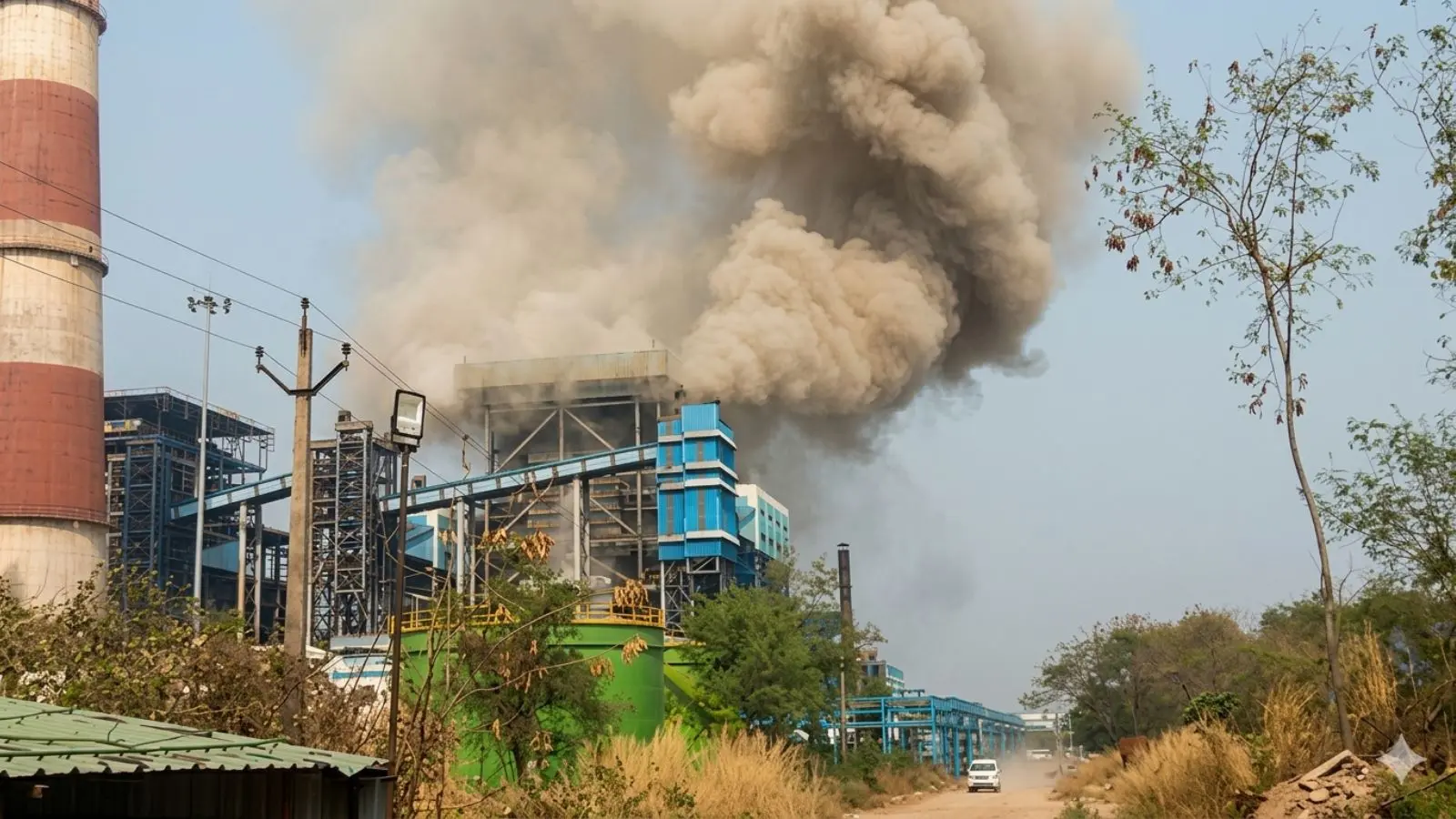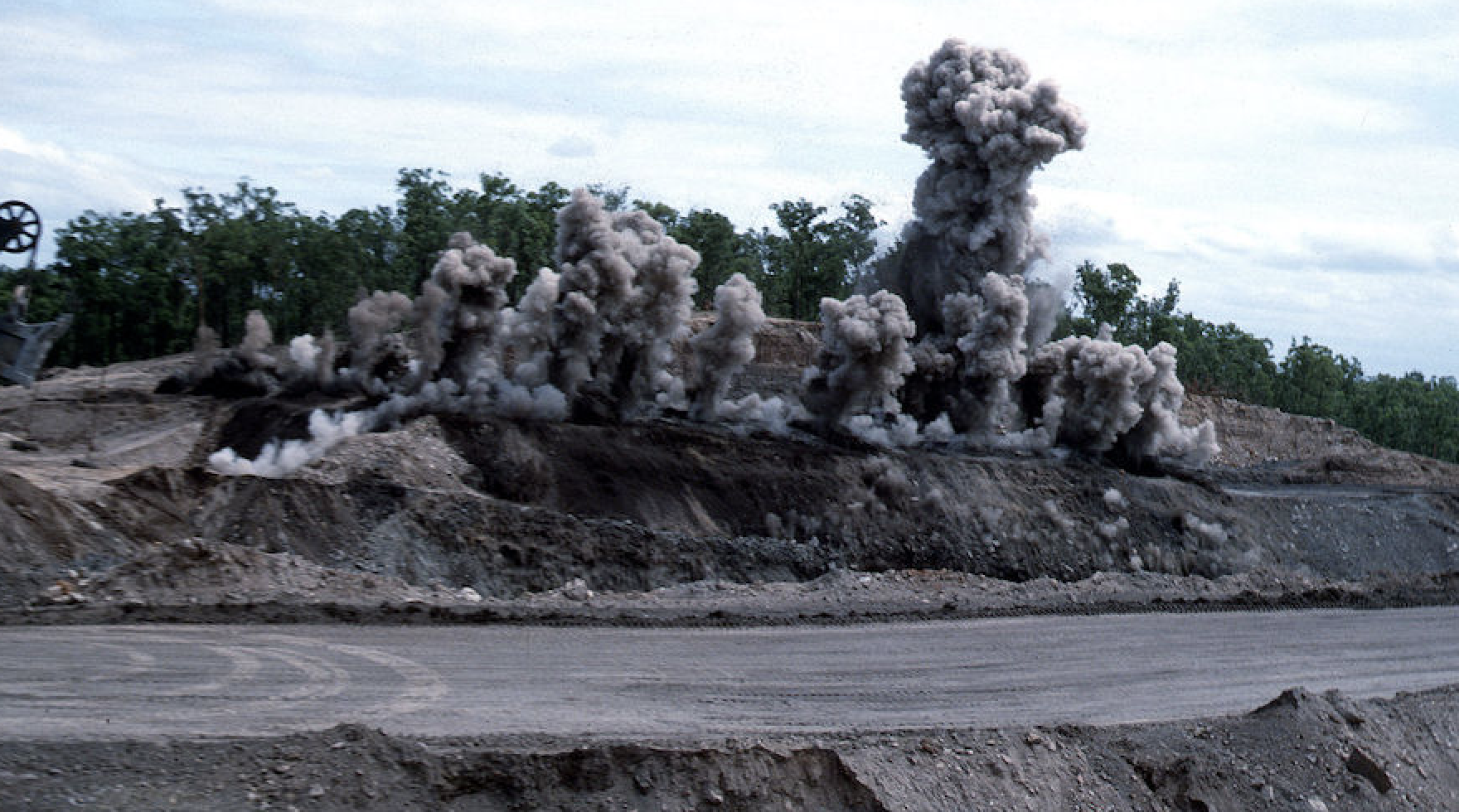
For an engineer working the floor of a thermal power plant, the depths of a coal mine, or the high-voltage yards of a state transmission utility, a degree is merely the entry ticket. The real career-defining milestones are the statutory certificates that legally authorize you to sign off on critical operations, assume charge, and command a premium salary.
India’s regulatory framework for engineering practice is a complex tapestry of central bodies like the National Productivity Council (NPC), the Directorate General of Mines Safety (DGMS), and the Bureau of Energy Efficiency (BEE), alongside state-level boards. While the proposed Professional Engineer (PE) certification aims to standardize this, the current landscape is defined by specialized, high-stakes exams.
Here is a breakdown of the key certifications that transform a working engineer into a statutory authority.
Table of Contents
The Boiler Operation Engineer (BOE): The Thermal Gatekeeper
If you work with steam, the BOE certificate is the ultimate validation. Governed by the Boilers Act of 2025 and the Boiler Operation Rules, 2021, this certification is mandatory for anyone looking to be in “direct charge” of boilers exceeding 1,000 square meters of heating surface.
- Conducting Body: The Central Government has authorized the National Productivity Council (NPC) through the Dr. Ambedkar Institute of Productivity to conduct a centralized exam for candidates across all states. State Boiler Boards (Maharashtra, Gujarat, Karnataka, Kerala, Jharkhand etc.) also conducts BOE exams.
- Eligibility: You need a degree or diploma in Mechanical, Electrical, Chemical, Power Plant, Production, or Instrumentation Engineering. Age must be at least 23. Crucially, degree holders need 2 years of boiler operation/maintenance experience, while diploma holders need 5 years (NPTI graduates get a relaxation to 1 year).
- Exam Structure: It is a grueling three-part written exam (Papers 1 & 2 covering boiler tech and legislation, plus a drawing paper) followed by a mandatory Viva-Voce. The pass mark is 45% in each paper and 50% aggregate.
Mine Manager’s Certificate of Competency (MMR/CMR): The Underground Command
For mining engineers, the path to management is paved with DGMS certifications. Whether you are in coal (CMR) or metalliferous mines (MMR), the hierarchy moves from Second Class to First Class, and from Restricted (opencast only) to Unrestricted.
- Conducting Body: The Directorate General of Mines Safety (DGMS) conducts these exams via Computer Based Testing (CBT).
- Eligibility & Syllabus: The requirements are strictly tiered. A degree in Mining Engineering allows you to sit for a single paper (“Mine Management, Legislation, and General Safety”) for a First Class certificate. However, if you hold a Diploma or a non-mining degree, you must clear additional papers like “Winning and Working,” “Mine Ventilation,” “Mining Machinery,” and “Mine Surveying” depending on the class you are applying for.
- Frequency: DGMS typically notifies these exams February for June exam and August for December exam.
Electrical Supervisor License: The State-Level Mandate
Unlike the central exams, the Electrical Supervisor Certificate of Competency is a state subject, governed by the Central Electricity Authority (CEA) Regulations but administered locally.
- Conducting Body: State Electrical Licensing Boards (e.g., through State Boards of Technical Education like in Andhra Pradesh).
- Eligibility: This is more accessible to the ITI and diploma crowd. For example, a wireman/ITI holder needs 4 years of practical experience, while a simple 10th-pass candidate needs 8 years of experience under a licensed contractor. The minimum age is 20.
- Syllabus & Impact: The exam tests your knowledge of the CEA Safety Regulations, earthing, illumination, and distribution design. It is your license to supervise electrical installation work legally, a non-negotiable for contractors and plant maintenance heads.
Certified Energy Manager (CEM): The Efficiency Expert
With sustainability becoming a boardroom priority, the BEE certification is a powerful differentiator.
- Conducting Body: The Bureau of Energy Efficiency (BEE), with examinations conducted by agencies like the NPC.
- Eligibility: It is open to Graduate Engineers (3 years experience), Post-Graduates (2 years), or Diploma Engineers (6 years). Even Physics/Chemistry post-graduates with specific math backgrounds can apply.
- Exam Structure: The exam consists of four papers covering General Aspects, Thermal Utilities, Electrical Utilities, and Energy Performance Assessment. It is less about statutory safety and more about economic optimization and audit skills.
The Proposed Professional Engineer (PE): The Future Standard?
While not yet a statutory requirement for basic operations like the BOE or Mine Manager, the proposed PE certification—spearheaded by AICTE and professional bodies like IEI—aims to elevate the general engineering workforce.
- The Concept: Unlike the specific BOE or DGMS exams, the PE is designed as a broad competency assessment. It evaluates not just technical knowledge, but also management, communication, ethics, and sustainability.
- Requirement: The assessment typically requires a written exam and a evaluation of professional experience (often around 7 years post-degree), plus a commitment to Continuous Professional Development (CPD). If implemented fully, this could become the gold standard for consulting engineers.
The Permanent Way Inspector (PWI): The Railway Specialist
While the other exams are statutory licenses, the PWI exam is a departmental promotion or direct recruitment exam within Indian Railways. It is less of a “license to practice” and more of a “license to maintain.” A PWI is responsible for the safety and geometry of the tracks. The syllabus is deeply practical, focusing on inspection of points, crossings, and track tolerances. Unlike the BOE or DGMS exams, which are open to private candidates, the PWI is strictly an internal railway examination.
Your Exam Preparation Partner
Passing these exams requires more than just experience—it demands structured preparation, the right study material, and relentless practice. This is where ProEngr.in becomes your trusted co-pilot.
ProEngr offers a comprehensive library of preparatory books meticulously crafted for BOE, DGMS Mine Manager (CMR/MMR), Electrical Supervisor, Energy Manager, and other statutory engineering exams. Written with the working professional in mind, these guides distill complex legislation, technical calculations, and exam patterns into digestible, high-yield content.
And the best part? You can order these books from Amazon, Flipkart, or Pothi—delivered to your doorstep, wherever you are in India.
But ProEngr doesn’t stop at books. Every purchase unlocks unlimited online mock tests that mirror the actual exam interface and difficulty level. Practice until you’re confident. Track your progress. Identify weak zones. Walk into that exam hall knowing you’ve already simulated the experience dozens of times.
For the engineer who spends the day running boilers, inspecting shafts, or managing electrical grids—and the night studying for a certificate that will change everything—ProEngr.in is the preparation partner that works as hard as you do.
Visit ProEngr.in today. Your certificate is waiting. Go claim it.