If you’ve ever looked at the wall of a seasoned mining professional’s office, you’ve probably seen a framed certificate from the DGMS (Directorate General of Mines Safety). It looks official, slightly intimidating, and usually has a lot of signatures.
But what do those words—First Class, Second Class, Restricted, Unrestricted—actually mean? Do they determine how big your office is? How much coal you can dig?
Not exactly. Think of these certificates like a driver’s license for the mining industry. You don’t start with a commercial license for a semi-truck; you start with a learner’s permit, then a standard license, and eventually upgrade. The Mine Manager Certificate works the same way. Let’s break down the jargon using simple examples.
Table of Contents
First Class vs. Second Class: The “Rank” of the License
The easiest way to understand this is to think about responsibility and scale.
The Second Class Manager’s Certificate: The “Junior Manager”
Think of this as your standard driver’s license. You are legally allowed to be the “Manager” of a mine, but typically, this is your entry point into statutory management. You are the person on the ground responsible for the daily operations, safety, and compliance of a specific section or a smaller mine.
How you get it: You generally need a Mining Engineering degree or diploma, plus a year of practical training (like an apprenticeship) to be eligible for the Second Class certificate.
The First Class Manager’s Certificate: The “Captain”
This is the commercial pilot’s license. A First Class Manager is the ultimate statutory authority for a large, complex, and deep mine. They are the “Manager” in the eyes of the law for the entire operation. In fact, the law often requires that a First Class certificate holder be the Chief Inspector of Mines—the top regulator.
How you get it: You don’t just jump to First Class. You typically start with a Second Class certificate, gain years of experience (often 2 to 5 years depending on your qualifications), and then sit for the First Class exam. It’s an upgrade.
Easy Example:
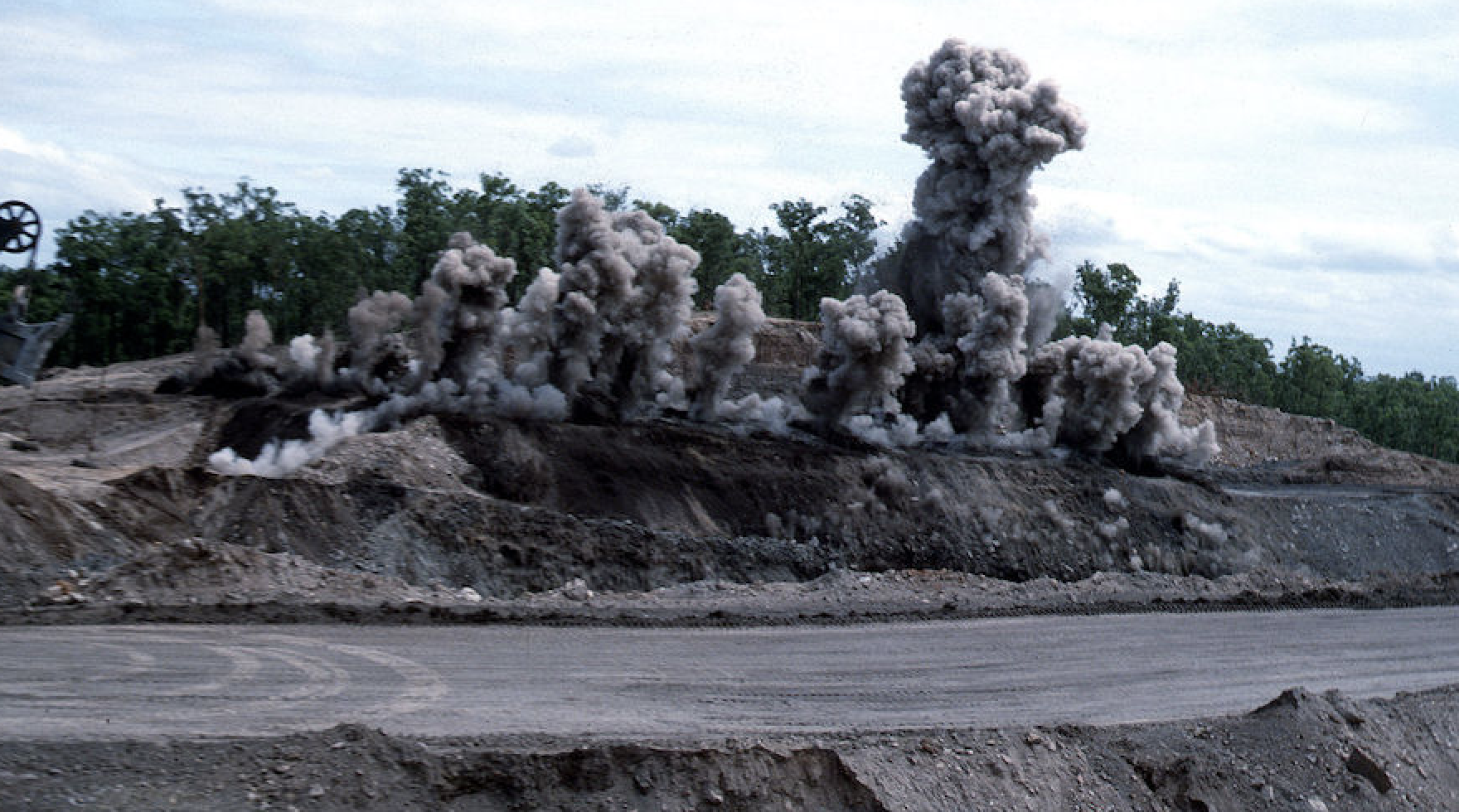
Imagine a massive open-pit coal mine with hundreds of workers and heavy machinery.
- The Second Class Manager might be the shift boss in charge of the night crew, ensuring the drilling and blasting are done safely.
- The First Class Manager is the person sitting in the head office, signing off on the overall mining plan, coordinating with the government, and holding ultimate legal liability for the entire site.
Restricted vs. Unrestricted: The “Type” of License
Now, imagine your driver’s license has a restriction: “Automatic transmission only.” You can drive, but not a manual. In mining, this restriction is about where you can work.
The “Restricted” Certificate (The Specialist)
This certificate is restricted to Opencast (Surface) Mines only. If you hold a Restricted Manager’s certificate, you cannot legally be the manager of an underground mine.
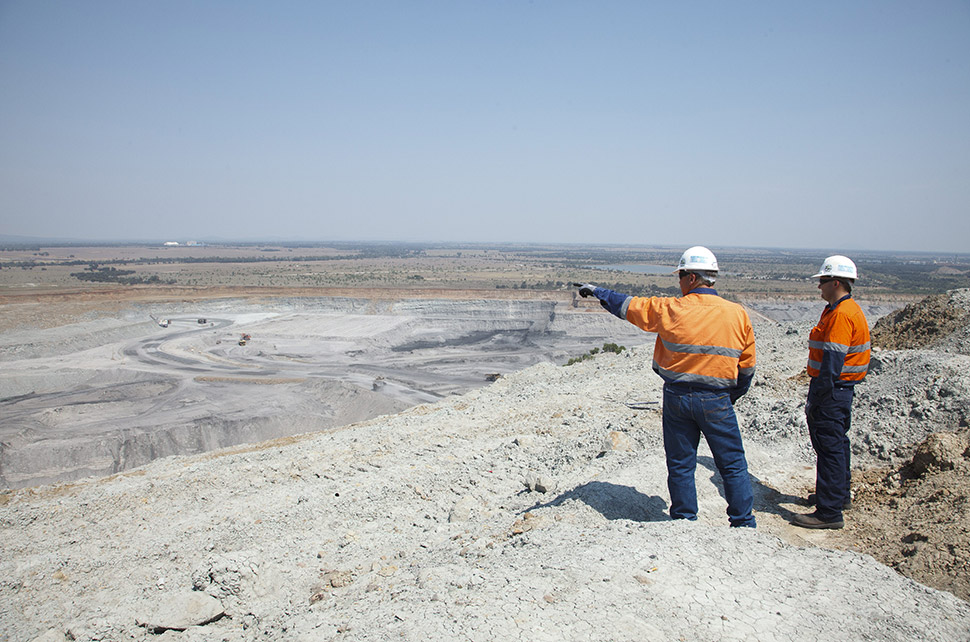
Why? Because underground mining involves unique dangers (gas, ventilation, roof falls) that open-pit mining doesn’t have. The exam syllabus is different. For a Restricted certificate, you don’t need to learn about complex underground ventilation or gas testing in the same depth.
Easy Example:
You are a brilliant manager at a massive iron ore quarry that operates entirely above ground. You have a Restricted certificate. You are perfectly legal and qualified. But if the company suddenly decides to dig a tunnel underground to follow the ore vein, you are not legally allowed to manage that underground section. They would need to hire an Unrestricted manager.
The “Unrestricted” Certificate (The All-Rounder)
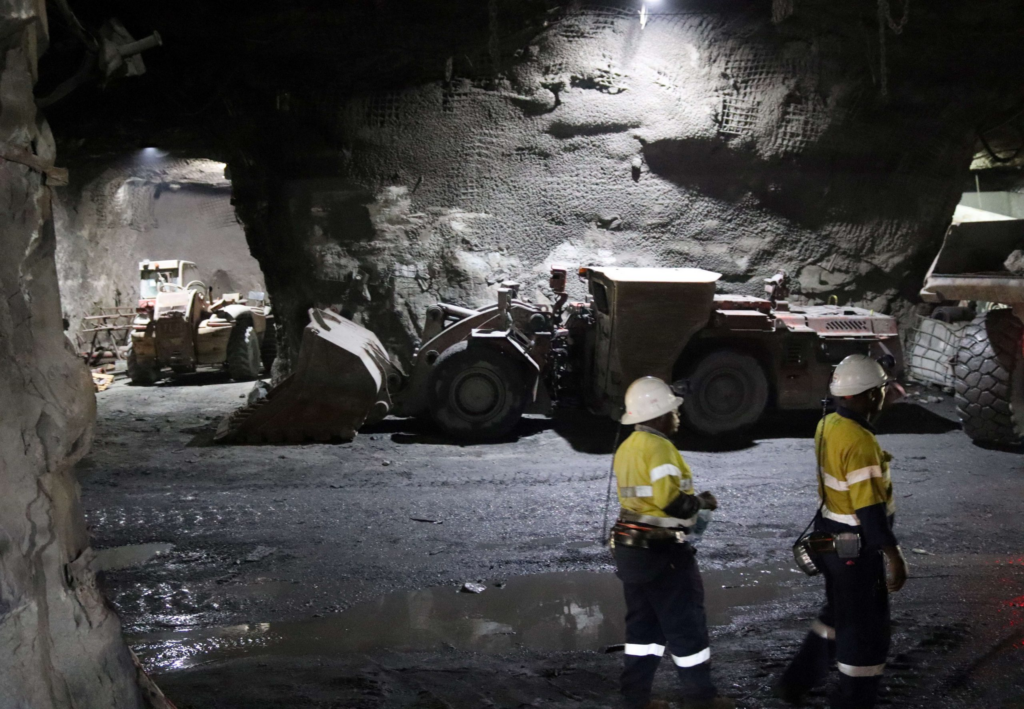
This is the full, no-limits license. It allows you to manage both underground and opencast mines. To get this, you have to pass the exams that cover the complex (and dangerous) aspects of underground mining, like mine ventilation, strata control, and underground machinery.
Easy Example:
You hold an Unrestricted First Class certificate. You can be transferred by your company to manage a deep underground coal mine today, and then transferred to an open-pit copper mine next year. You have the legal flexibility to go anywhere.
Putting It All Together: The Four Combinations
So, when you see a certificate, it will usually be one of these four combinations:
| Certificate Type | What It Means? | Who Is It For? |
| Second Class (Restricted) | You can manage a surface mine, but you are still early in your career. | Junior managers at quarries and open-cast pits. |
| Second Class (Unrestricted) | You can manage any mine (surface or underground), but you are still “junior.” | Managers getting their foot in the door of underground operations. |
| First Class (Restricted) | You are a senior boss at a surface mine. You have tons of experience but haven’t passed the underground exams. | Veteran open-cast managers. |
| First Class (Unrestricted) | The ultimate authority. You can manage any mine, anywhere, of any size. | General Managers, Chief Inspectors, and top-tier mining executives. |
Where to Find Study Material & Practice Tests
Preparing for the Mine Manager Certificate exam doesn’t have to be a guessing game. Detailed information on the best preparatory books—covering both First Class and Second Class, Restricted and Unrestricted syllabi—is available at proengr.in. The same books can be purchased conveniently on Amazon, Flipkart, and Pothi, so you can choose whichever platform suits you best. And to make sure you’re exam-ready, unlimited mock tests are also available—because in mining, like in exams, practice is what keeps you safe and confident.