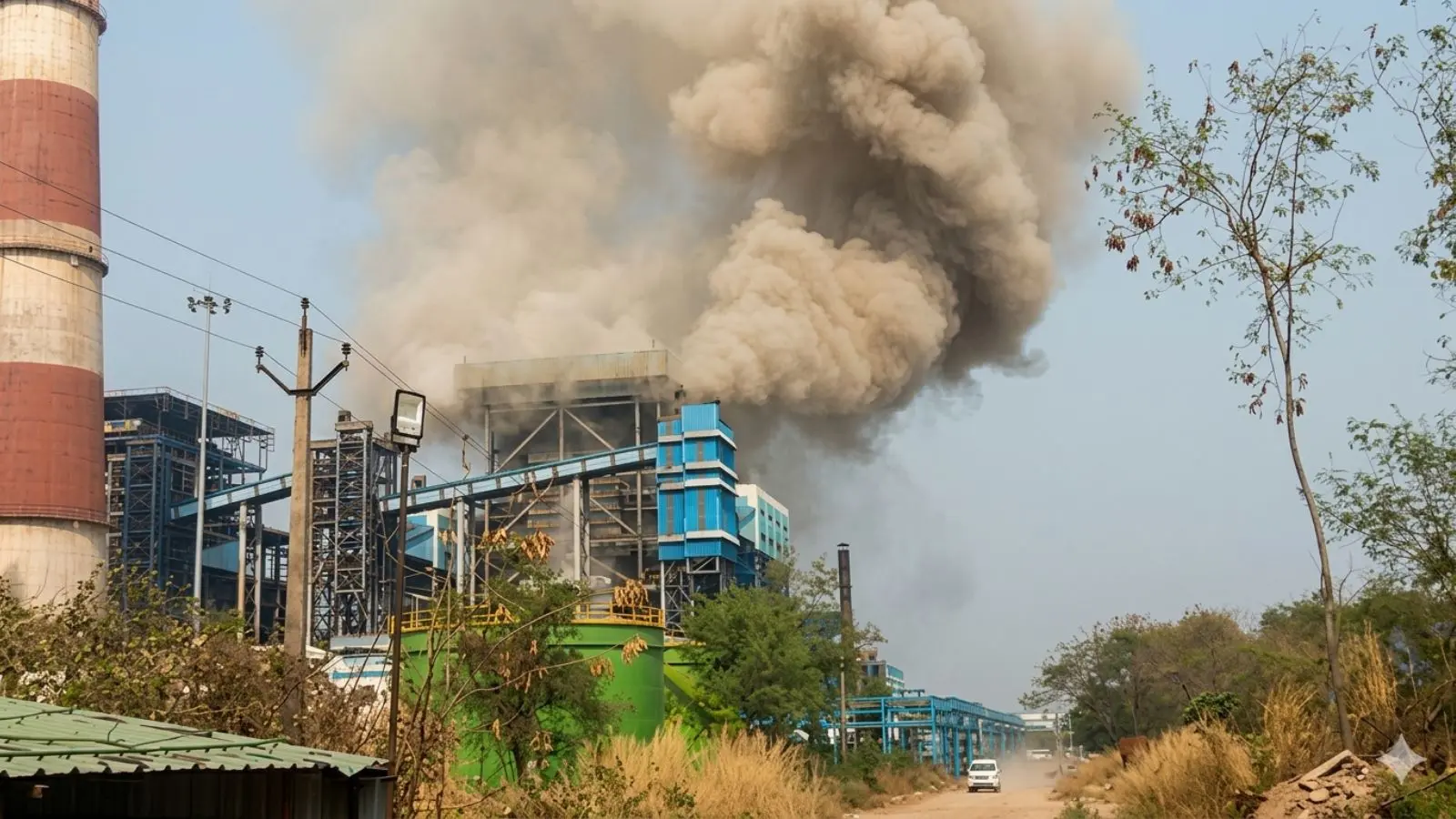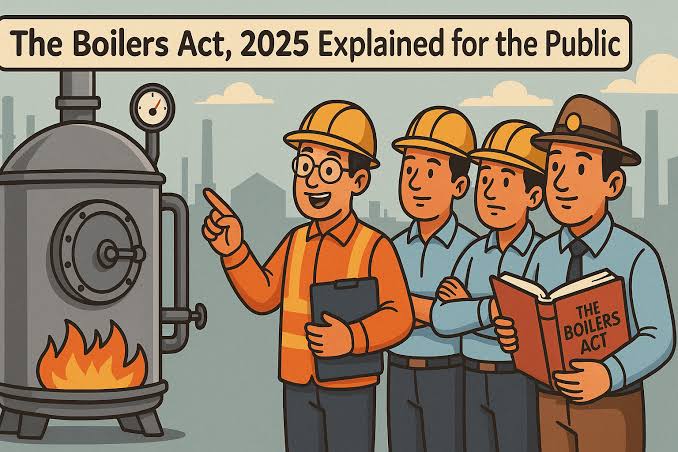
In a significant step toward enhancing workplace safety and industrial efficiency, the Indian government enacted the Boilers Act, 2025 on April 4, 2025, repealing the century-old Boilers Act of 1923. This comprehensive legislation addresses the evolving needs of India’s booming manufacturing and energy sectors by introducing stringent regulations on the design, manufacturing, inspection, operation, and maintenance of boilers and their components.
Table of Contents
Key Highlights
Enhanced Safety Protocols
The Act mandates rigorous inspections at every stage of boiler production and use, including pre-manufacture audits by independent authorities and regular on-site checks. Structural alterations now require Chief Inspector approval to prevent explosion risks, protecting lives and property.
Uniformity and Standardization
It establishes nationwide consistency in registration, certification, and enforcement, with state-appointed inspectors and a central competent authority for welder qualifications. Digital monitoring tools are encouraged to promote transparency and real-time compliance.
Sustainability Focus
Responding to environmental imperatives, the law imposes stricter energy efficiency standards and carbon footprint limits, incentivizing greener technologies in power generation, textiles, chemicals, and other boiler-dependent industries.
Stricter Penalties
Non-compliance faces escalated consequences, including hefty fines, operational suspensions, and shutdowns for grave violations, underscoring a zero-tolerance approach to safety lapses.
This forward-looking reform is poised to reduce boiler-related accidents, foster innovation, and align India with global best practices. Industries should prepare for phased implementation.